Ethereum Faces Its Fragmentation Challenges
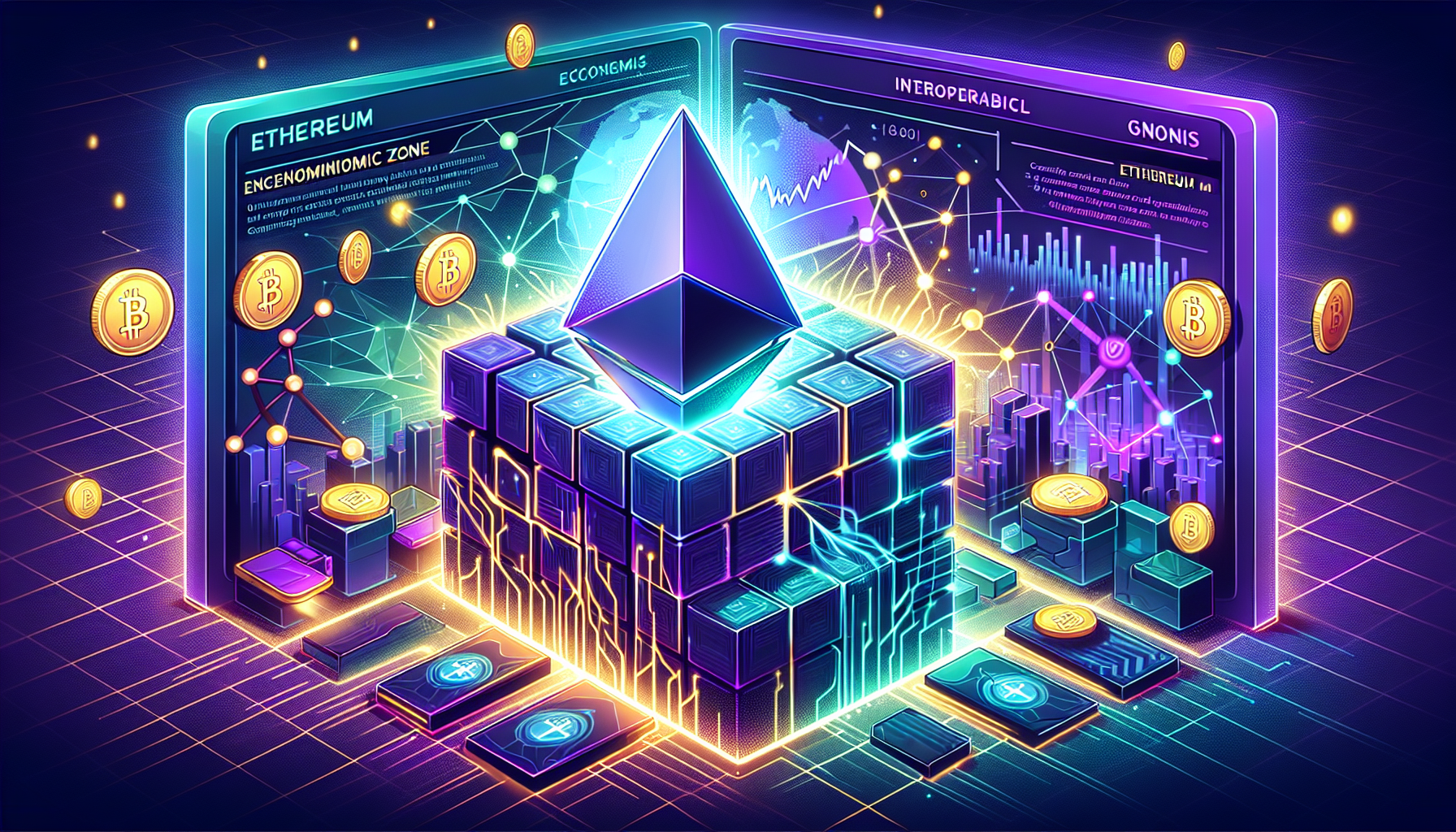
The Ethereum ecosystem, once monolithic, now resembles a patchwork of parallel solutions. Optimistic rollups, ZK rollups, sidechains… the proliferation of Layer 2 solutions creates a paradoxical situation: more options, but also more complexity for users.
It’s in this context that a new project emerges aiming to “stitch back together” this scattered ecosystem. The goal? Enable users to navigate between different network layers without feeling like they’re lost in a technological maze.
Fragmentation Comes at a User Experience Cost
The problem is real: each Layer 2 solution operates by its own rules, with its own tokens and its own interfaces. A developer or average user must juggle multiple wallets, multiple communication bridges, multiple ecosystems. It’s a bit like each subway station having its own ticket system incompatible with all the others.
This fragmentation isn’t just annoying—it also limits the mass adoption the sector is after. How do you ask newcomers to embrace crypto when even experienced users get lost?
A Solution in Search of Unification
The project proposes mechanisms to improve interoperability between these different layers. The concept: enabling a smoother and more transparent experience when crossing between Ethereum solutions without major friction.
While the idea seems appealing, the technical details remain complex. Unifying without sacrificing decentralization or security is a delicate balancing act—one that Ethereum developers have been trying to perfect for years.
A Broader Perspective
This type of initiative illustrates the sector’s maturation. Rather than building even more independent solutions, the focus is on intelligently connecting what already exists. It might be boring for fans of revolutionary technology, but it’s exactly what’s needed to transform a chaotic crypto experience into something actually usable.